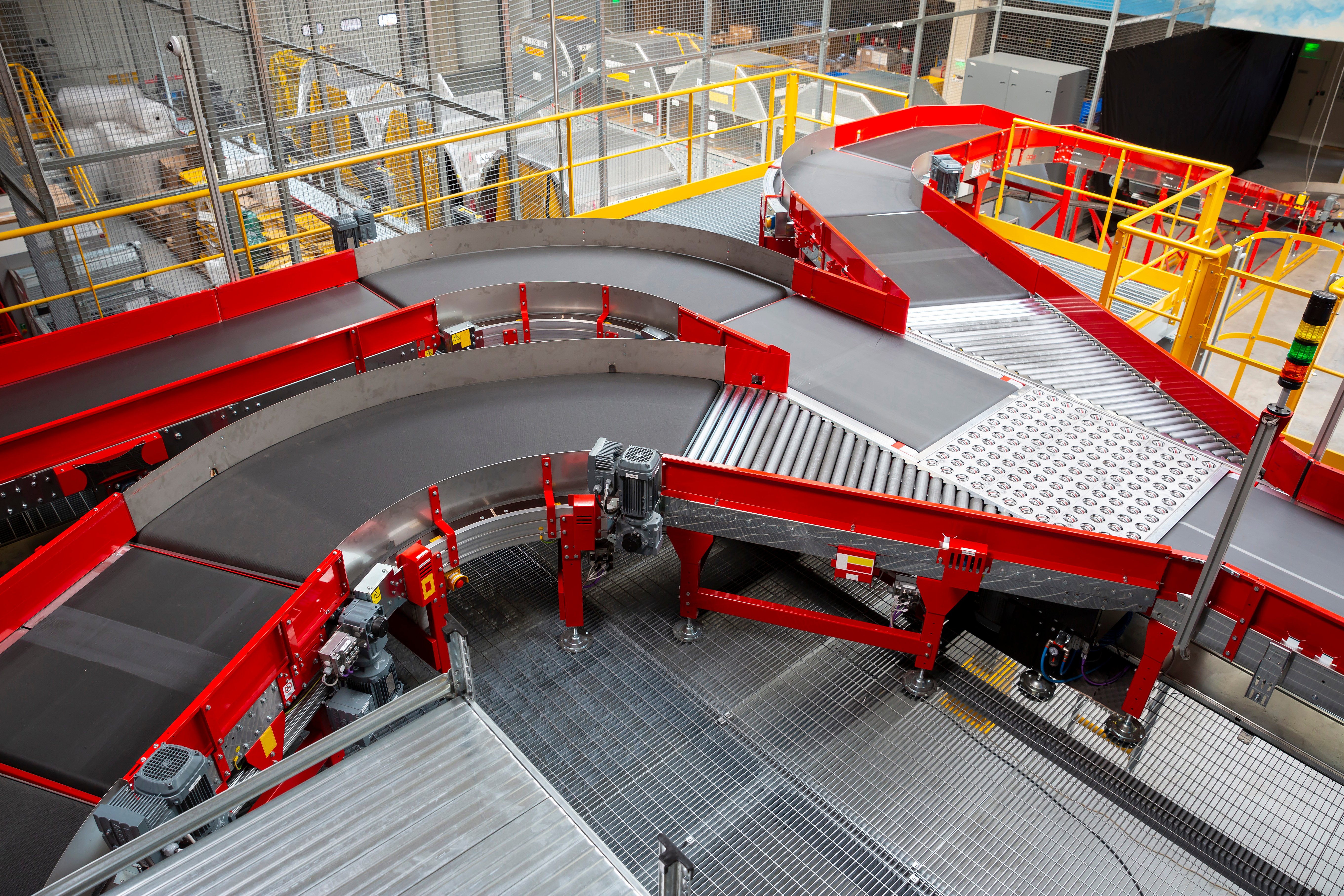
When a conveyor failure occurs, it often appears sudden.
A motor trips.
A bearing locks.
A sorter line stops moving.
Operations teams experience failure as an acute event: production stops, and maintenance intervention begins.
But in most cases, failure did not start at that moment.
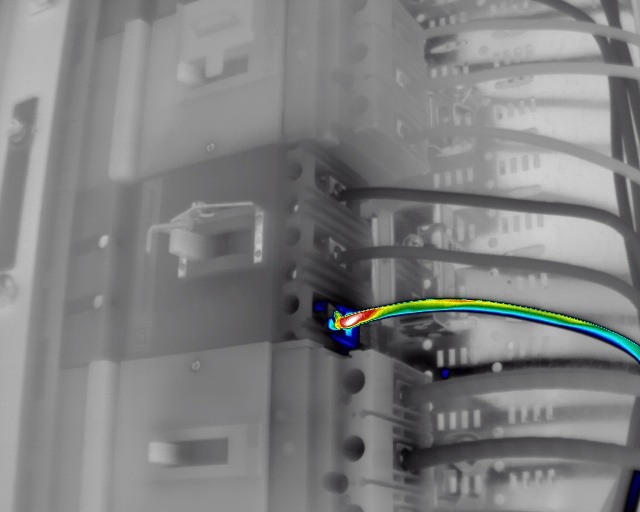
Mechanical and electrical failures typically develop graduallyover time. . Long before equipment stops running, subtle but detectable changes in heat, vibration, electrical load, or system resistance begin to appear.
The challenge for operations teams is not simply preventing failures. It is detecting the earliest signals that indicate a system is moving toward failure.
Failures Begin as Progressive Conditions
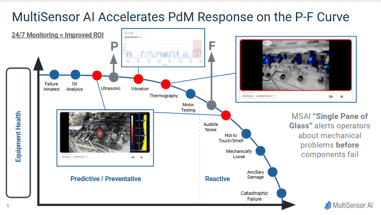 Reliability engineering has long shown that most equipment failures follow a Potential-to-Functional failure curve, or P-F curve.
The P–F curve describes the time between the first detectable indication of a potential failure and the point at which the equipment can no longer perform its function.
Common early indicators of mechanical and electrical failure include:
• Gradual bearing vibration increases
• Motor temperature escalation
• Electrical panel heat buildup
• Increased current draw
• Belt misalignment
The Society for Maintenance & Reliability Professionals (SMRP) emphasizes that modern reliability programs focus on detecting degradation early rather than reacting to breakdown events. This proactive approach gives leaders time to intervene before productivity and throughput is disrupted.
Why Conveyor Systems Amplify Small Problems
Conveyors operate as interconnected systems.  Small mechanical changes can influence performance across the entire material flow, meaning that as your operation expands, so does risk of performance impact. Industry research from MHI and Deloitte’s Annual Industry Report highlights that as warehouse automation increases, reliability and uptime become critical operational priorities.
Examples of how small issues cascade into larger failures in conveyor systems include:
-
A dragging roller increasing belt resistance
-
Belt misalignment raising motor load
-
A bearing generating localized heat that spreads wear
-
Electrical cabinet overheating affecting drives
Because conveyor systems often span hundreds or thousands of feet across a facility, these signals may remain unnoticed without continuous monitoring.
The Hidden Cost of Detecting Conveyor System Problems Too Late
In automated distribution environments, even short interruptions can cascade across the facility. In their The True Cost of Downtime 2024 report, Siemens shows that predictive and condition-based maintenance strategies significantly reduce unplanned downtime by identifying problems earlier in the failure cycle.
If a degrading component is detected early, maintenance teams can address it during scheduled maintenance.
If it fails during operations, the consequences can include:
- Conveyor shutdown
- Upstream and downstream system disruption
- Emergency maintenance dispatch
- Throughput loss across automated systems
Why Inspections Alone Cannot Close the Gap
Manual inspections are typically calendar-based, meaning a team has determined when conveyor systems should be inspected based on the time of the year. As a result, equipment may run for days or weeks between inspection cycles.
Early signals — heat, vibration, or electrical anomalies — can emerge between those intervals.
Continuous condition monitoring helps reliability teams close the visibility gap and take action before the failure is imminent, creating a less chaotic, lower risk environment.
A More Practical Approach to Conveyor System Reliability
Modern reliability strategies focus on early detection rather than perfect prediction.
Continuous conveyor system condition monitoring provides visibility into subtle changes in system behavior, enabling maintenance teams to intervene before issues escalate, protecting productivity and ensuring a consistent end-customer experience.
In conveyor operations, failures rarely begin with a breakdown.
They begin with signals.
MSAI's Predictive Maintenance Strategy Guide is a good place to start. 👉

Frequently Asked Questions
What causes most conveyor system failures?
Most conveyor failures develop gradually due to mechanical wear, misalignment, or electrical stress. Bearings, belts, rollers, and motors often show early warning signals such as vibration or temperature increases.
What is conveyor system condition monitoring?
Conveyor condition monitoring uses mounted sensors and analytics to continuously track equipment health indicators like temperature, vibration, and electrical performance.
Why is condition monitoring important?
Condition monitoring allows for the early detection of mechanical and electrical degradation, giving maintenance teams time to intervene before issues cascade into total system failures. This protects operational productivity and helps avoid unexpected downtime and costly emergency repairs and replacements.
Are your conveyor systems putting your production at risk?