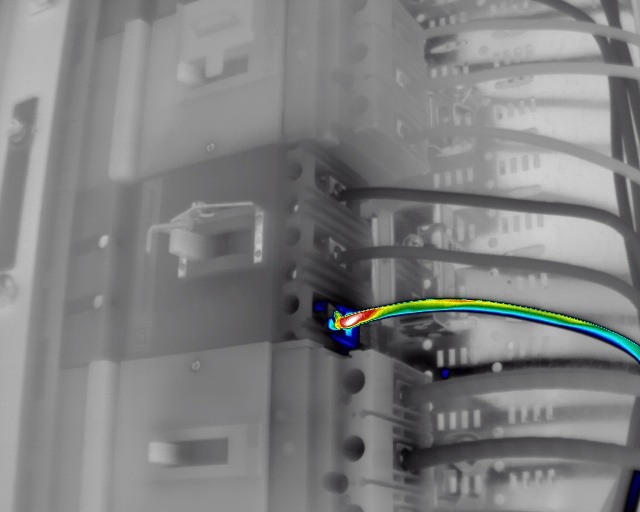
Electrical problems in drives and control cabinets rarely begin as obvious failures. They show up first as weak, intermittent signals—subtle heat drift, small current irregularities, or environmental shifts. If you’re relying on periodic inspections or a single sensor, you’re likely missing them. Continuous, multi-sensor monitoring is what turns these faint signals into actionable insight.
The Problem: “Everything Looked Fine—Until It Didn’t”
If you’re responsible for reliability, you’ve probably seen this pattern:
👉 A drive trips under normal load, then runs fine again.
👉 A panel passes inspection, then fails days later.
👉 A component burns out, despite no prior warning signs.
The maintenance log often reads the same: “No issue found.” This isn’t bad luck. It’s a visibility problem. In automated environments, like distribution centers, airports, and data centers, electrical systems don’t typically fail without warning. The warning signals just don’t show up when or where teams are looking.
Why Early Electrical Issues Get Missed
The Visibility Gap in Control Cabinets
Most teams operate with two major gaps:
- Temporal gap: inspections happen weekly or monthly
- Modal gap: electrical, thermal, and environmental signals are not connected
Intermittent Faults Don’t Show Up During Inspections
Many electrical issues are load-dependent or transient. A loose connection may only arc under peak load. Thermal expansion can temporarily break contact, then restore it. By the time someone opens the cabinet, everything appears normal.

Single-Sensor Monitoring Creates Blind Spots
Temperature alone doesn’t tell you why something is heating. A current spike might look like noise. Without context from additional data points like vibration, these signals are easy to dismiss or overreact to.
What’s Actually Happening Inside Drives and Cabinets
Electrical failures are usually progressive. They begin with small degradations that escalate over time.
Common Early-Stage Failure Modes
- Loose or degrading connections leading to localized heating
- Insulation breakdown causing leakage currents
- Moisture ingress increasing corrosion and short risk
- Harmonic distortion or unstable loads affecting performance
Why These Signals Are Misinterpreted
These early indicators are easy to overlook because they don’t behave like failures:
- Heat fluctuates with load cycles
- Electrical noise mimics normal variation
- Environmental conditions (humidity, temperature swings) mask root causes
 Most electrical failures follow a degradation curve where early signals appear well before breakdown, but require trend analysis to detect. Even well-structured inspection programs struggle with fast or intermittent failure modes, as outlined in MultiSensorAI’s analysis of calendar-based inspection limitations.
The Earliest Warning Signs to Look For
The signals are there, but they aren't immediately obvious.
-
Subtle Temperature Drift
Not sudden overheating, but a gradual increase over weeks. This is often the first sign of resistance buildup or connection issues.
-
Intermittent Current Irregularities
Brief spikes or imbalances that reset quickly. These are often dismissed as noise, but can indicate instability.
-
Localized Hotspots
Uneven heating across components, rather than uniform temperature rise. This points to specific failure points, not system-wide issues.
-
Humidity or Condensation Changes
Especially in outdoor or washdown environments, moisture can accelerate degradation without immediate failure.
-
Correlated Signals (The Critical Insight)
The real breakthrough comes when signals align:
A slight temperature rise + increased humidity = minor current fluctuation
Individually, each looks insignificant. Together, they indicate early-stage failure.
How to Detect Drive and Control Cabinet Electrical Problems Earlier (Before Failure)
Move Beyond Periodic Inspection
Manual thermal scans and visual checks capture a moment, not a pattern. And that’s the problem: intermittent faults don’t happen on schedule.
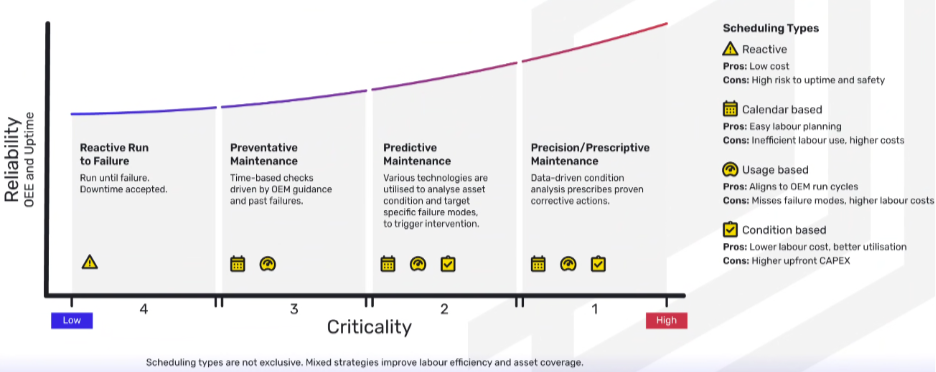
Use Multi-Sensor Corroboration
Combining temperature, electrical, and environmental data creates clarity. It reduces false positives and helps distinguish real issues from noise.
Industry guidance from SKF reinforces this: while individual sensor readings and threshold-based alarms can detect anomalies, effective fault detection requires trend-based analysis and correlation over time to distinguish real degradation from normal variation.
Focus on Trends, Not Thresholds
Early-stage issues don’t trigger alarms. They show up as slow drift. Teams that rely only on thresholds are reacting late.
Identify Intervention Windows
There is always a gap between
detection and failure. That window is
where maintenance is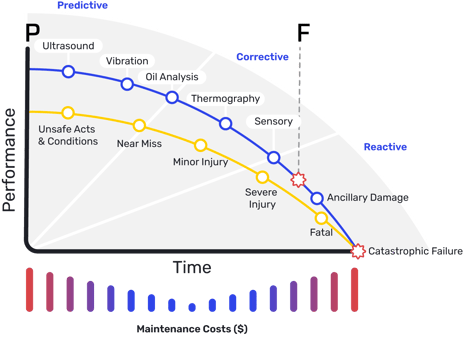 most effective—and least disruptive. Research from Deloitte shows that poor maintenance strategies can significantly reduce productive capacity, while broader industry data indicates that reactive maintenance can cost three to five times more than planned approaches, largely because intervention happens too late and under emergency conditions.
What to Do When You Detect Early Electrical Signals
Once you have visibility, the goal isn’t to overreact. It’s to act intelligently. Start by validating the signal across multiple data points. A single anomaly isn’t enough. Correlated trends are. Then assess risk. Not every issue requires immediate shutdown, but ignoring progression is where problems escalate.
Targeted maintenance—tightening connections, replacing components, addressing environmental conditions—can resolve issues early, with minimal disruption. The real cost comes from waiting.
Research from McKinsey & Company shows that unplanned downtime is a major driver of lost production, while predictive maintenance can reduce downtime by 30–50%, highlighting how much of that lost capacity is recoverable with earlier intervention.
FAQ: Electrical Issues in Drives and Control Cabinets
What are the earliest signs of electrical failure in control cabinets?
Gradual temperature drift, intermittent current irregularities, localized hotspots, and environmental changes like humidity increases.
Why do electrical faults appear intermittently?
Because they’re often load-dependent or influenced by environmental conditions. They can self-resolve temporarily, making them hard to catch during inspections.
How do you detect electrical problems before downtime occurs?
Through continuous monitoring and multi-sensor correlation—tracking trends rather than relying on periodic checks or single data points.
What sensors are needed to monitor control cabinets effectively?
At minimum: temperature, current, and environmental (humidity). The combination is what enables accurate interpretation.
Can thermal monitoring alone detect electrical issues?
Not reliably. Temperature shows symptoms, not causes. Without context, it leads to false positives or missed failures.
How often should control cabinets be inspected vs monitored?
Inspections should complement monitoring—not replace it. Continuous monitoring is necessary to capture intermittent and early-stage signals.
Take the Guesswork Out of Electrical Fault Detection
If you’re dealing with intermittent trips, unexplained faults, or cabinets that “look fine” until they fail, the issue isn’t your team—it’s your visibility. You don’t need more inspections. You need better signal clarity.
With a multi-sensor approach, you can:
- Detect early-stage electrical issues before they escalate
- Eliminate “no fault found” scenarios
- Prioritize maintenance based on real risk, not assumptions
Explore how MultiSensor AI helps teams monitor drives and control cabinets continuously and turn weak, intermittent signals into confident maintenance decisions. Click below to meet with an engineer.